Start with the decisions you have already made.
OEM and ODM describe different starting points—not different levels of quality. The useful question is how much of the garment you have already defined, and which decisions you want to develop together.
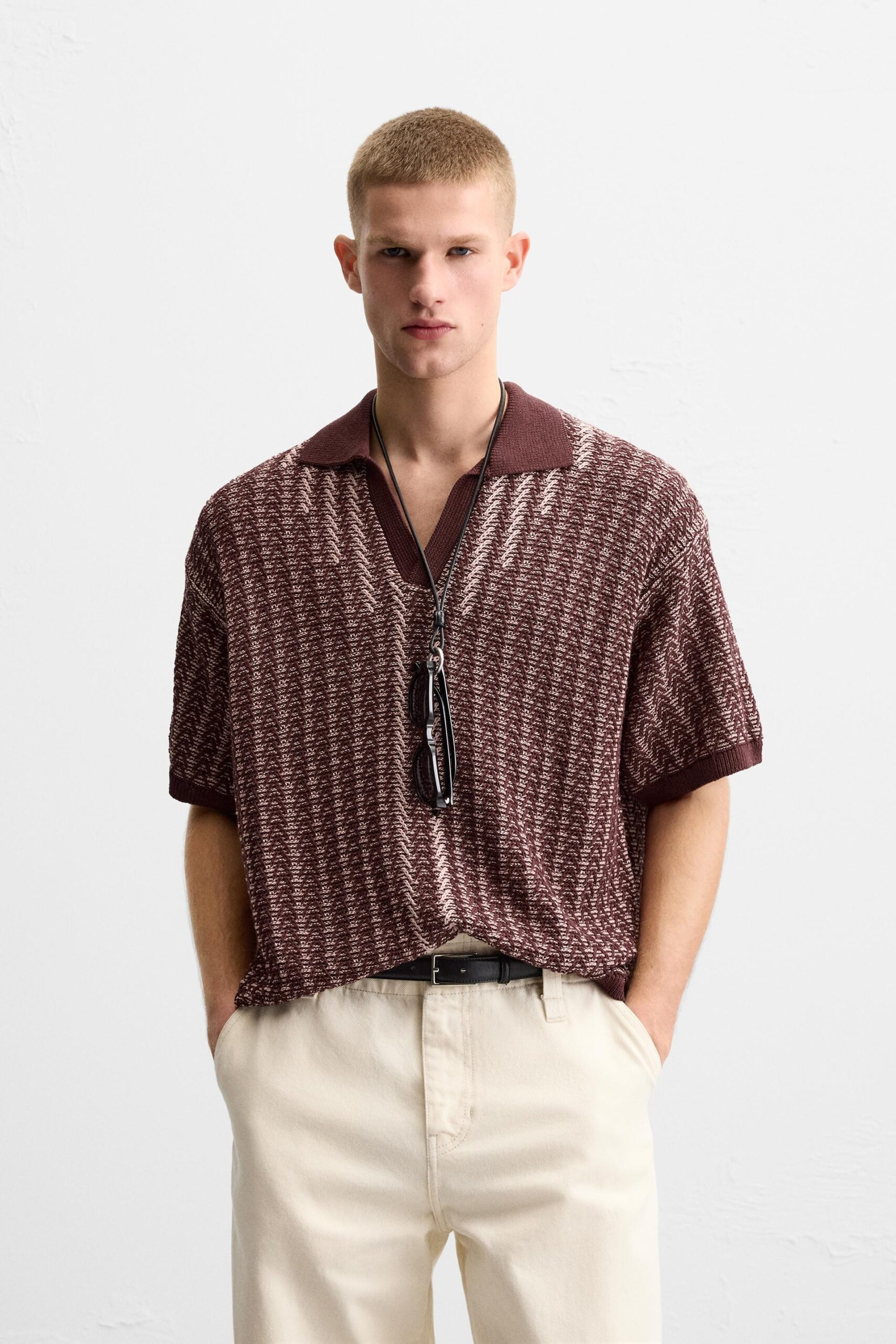
Wayhonk works on women’s, men’s and kids’ knitwear. A tech pack, an existing sample or a collection direction can all begin the conversation. Clear quantities, target pricing and timing help us review the practical route.
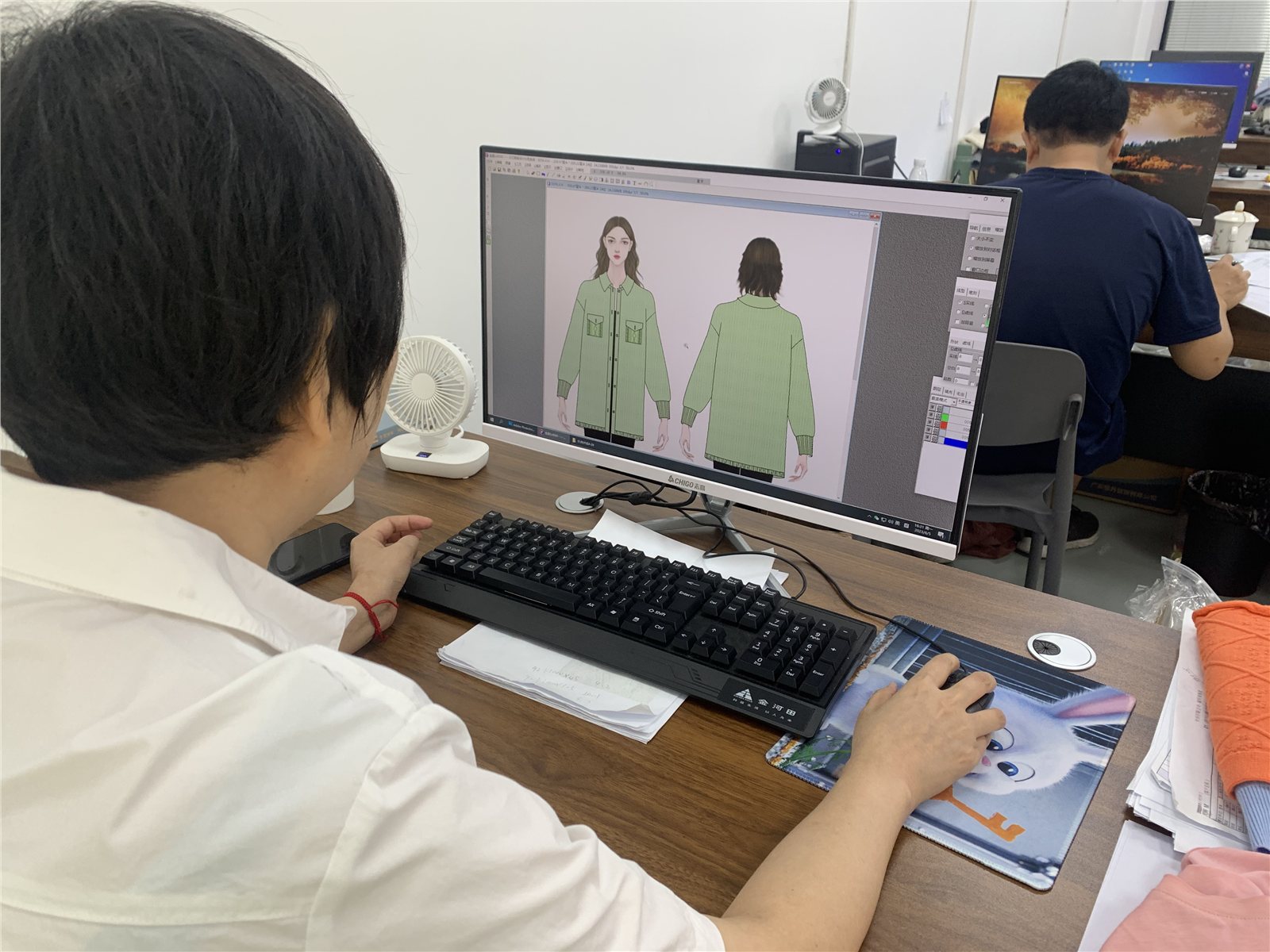
OEM: develop from your defined design.
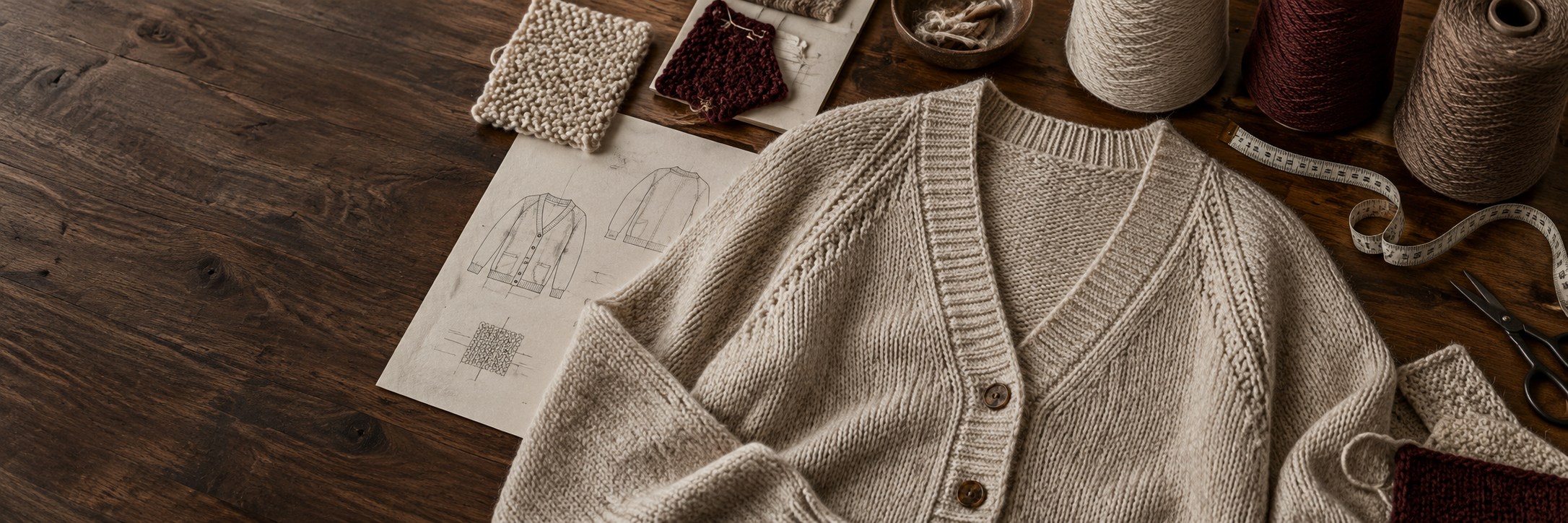
Choose an OEM starting point when you have a garment design and want to turn it into an agreed knitwear specification. Send front and back views, measurements, yarn or fabric direction, colour references and the details that must stay unchanged.
We review yarn, knitting gauge, construction, fit and the intended finishing. Missing details are resolved through development; an illustration alone does not settle material behaviour or final measurements.
- Provide a tech pack or marked reference sample.
- Identify the intended wearer, fit and size chart.
- Separate fixed design details from points open for review.
- Include quantities by style and colour, target price and delivery requirements.
ODM: build from a style direction.
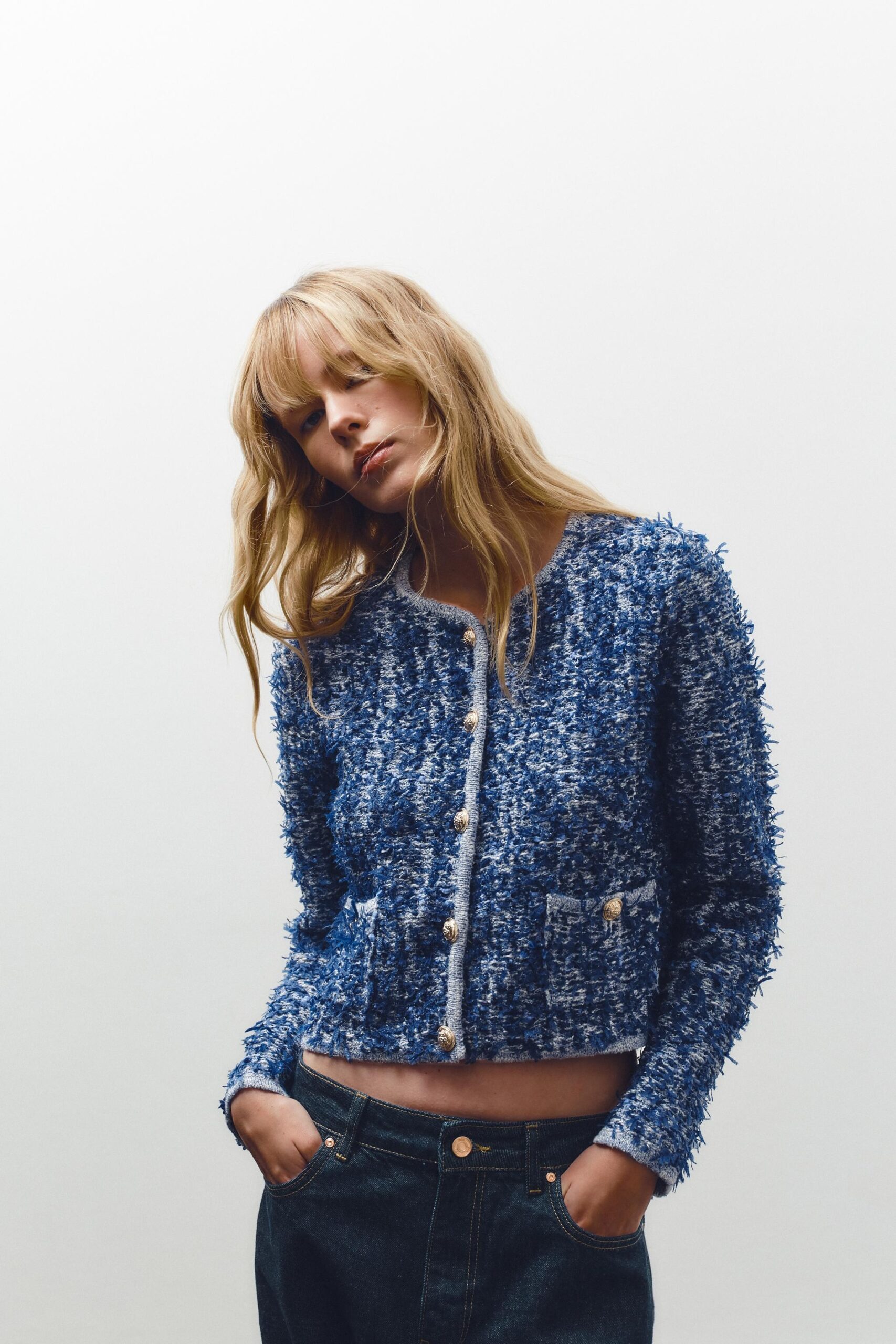
Choose an ODM starting point when you want to begin with selected references and develop the product for your brand. Style, colour and fit changes can be reviewed with our in-house design team of around 20 designers.
Our team develops hundreds of new styles each month and has experience with European and Asian fit expectations. Your target wearer and measurements still guide the final fit; a market name is not a substitute for a size chart.
Start with a few useful style references and describe the changes you want. Review yarn, stitch, shape, neckline, fastening and brand details together rather than treating a photograph as a finished specification.
Choose a development starting point
OEM and ODM are starting routes, not substitutes for sample approval. The amount of information already decided determines the next useful step.
| Your starting point | What you provide | What we confirm together | Relevant next step |
|---|---|---|---|
| Own design / tech pack — OEM | Authorised front/back/detail views; measurements; yarn and stitch references; colours; quantities; label/packing brief. | Feasibility, missing specifications, material alternatives and the sample review plan. | Sample Development with your current pack. |
| Reference garment that needs changes — clarify development scope | An authorised reference; marked keep/change points; intended fit, material and brand requirements. Do not assume a reference is permission to copy protected work. | Which features are inspiration, what must be developed, dimensions, yarn/stitch and version ownership. | Development to define the brief before the sample. |
| Start from an ODM direction | Target wearer/market, collection direction, preferred silhouette, material feel and commercial constraints. | A suitable starting style, permitted adaptations, measurements, colours and brand details; then sample approval. | Development to review an available starting direction. |
Use the public project brief template to show what is decided and what is open. Check quantity planning by style and colour separately; choosing a route does not confirm price, MOQ exceptions or a delivery date.
Both routes meet at an approved sample.
Before moving to production, review the sample, measurements and consolidated feedback. Identify the approved version and the changes still required. Keep the product specification, size breakdown, quality requirements and presentation details aligned.
Standard styles typically require around one week for sampling. The basic sample fee is USD50 for standard styles and is credited against the corresponding bulk order. Complex development and courier transit are reviewed separately.
What to send next.
Send the garment reference, quantities for each style and colour, sizes, target price and required timing. State whether you want to follow your design closely or explore an ODM starting point.