
01 / Match the reference
More than a fibre name.
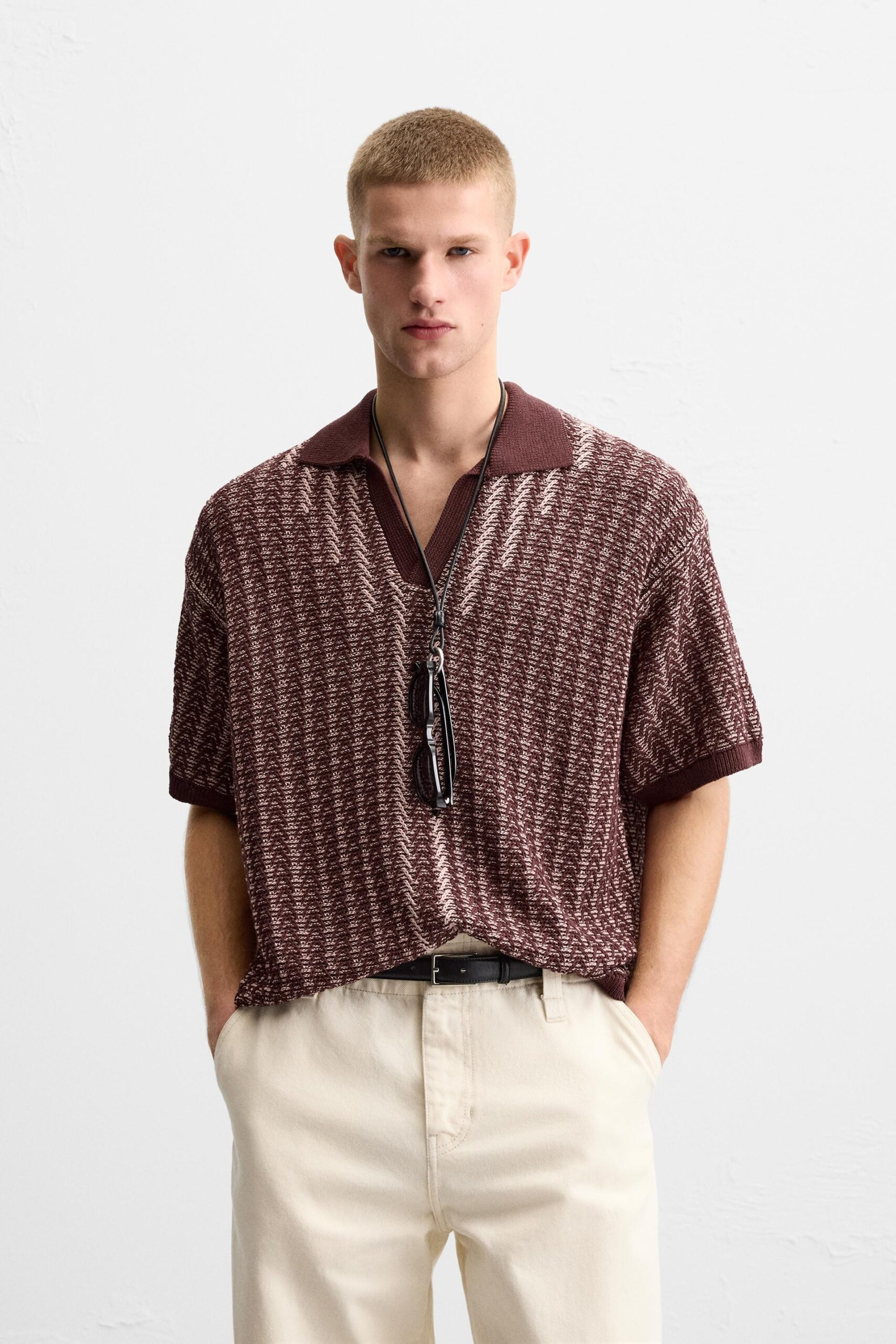
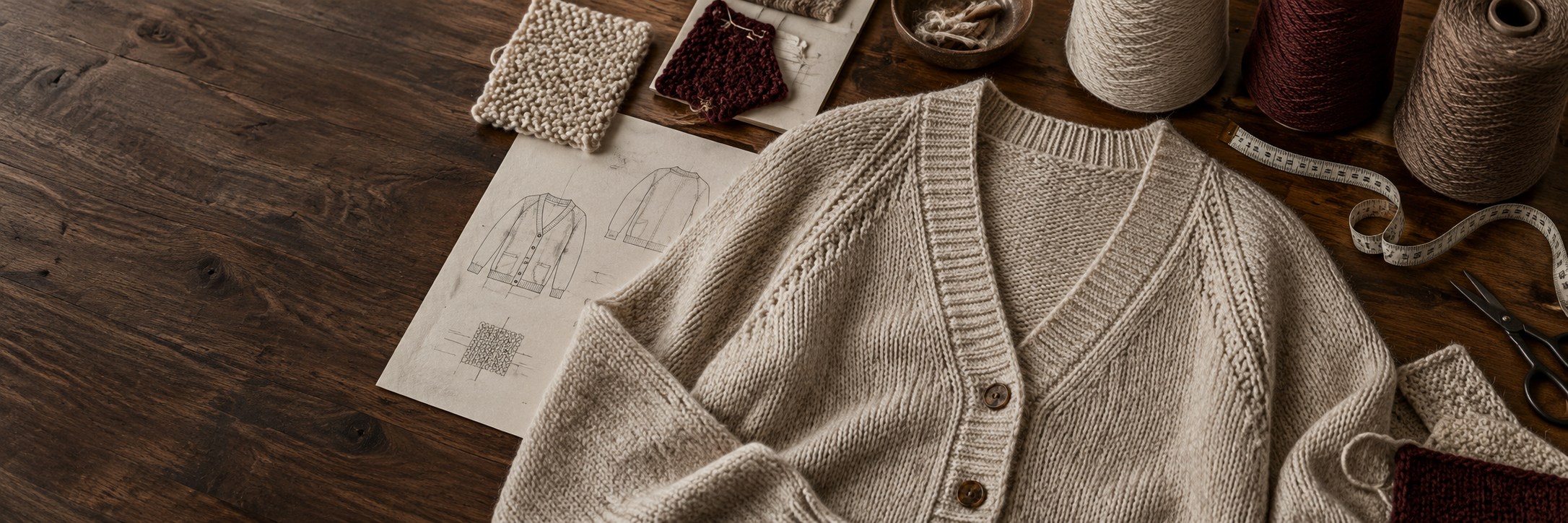
Bring a yarn label, composition, supplier article or physical reference. Discuss count, colour, texture and the hand feel you want to retain.
Explore yarn matching ↗
Find a reference.
Make it your own.
Materials / responsible sourcing
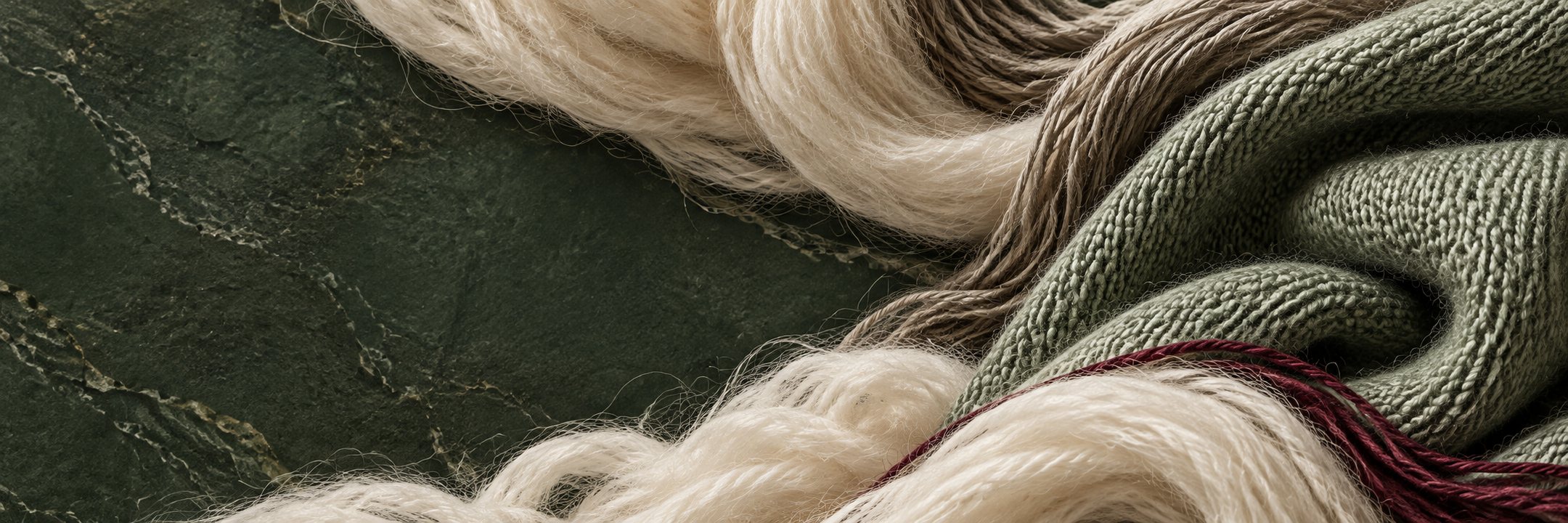
The yarn direction, the approved sample and the relevant documents belong in one material conversation. Explore our sourcing support and how we review your requirements.
Explore material choicesA clearer material brief
Your collection may start with a specific fibre percentage, a yarn you found on the market or a special blend you want to develop. We connect the material direction with the actual knitwear brief, then review a physical swatch before the specification is agreed.
01 / Match the reference
Bring a yarn label, composition, supplier article or physical reference. Discuss count, colour, texture and the hand feel you want to retain.
Explore yarn matching ↗02 / Set requirements
If your brief calls for recycled content, organic fibre or a particular material standard, share that requirement at the start. Options and supporting documents are reviewed for the proposed project.
03 / Confirm a swatch
Confirm the material, colour and knit structure together. Keep the agreed specification and sample reference clear before production.
See sample development ↗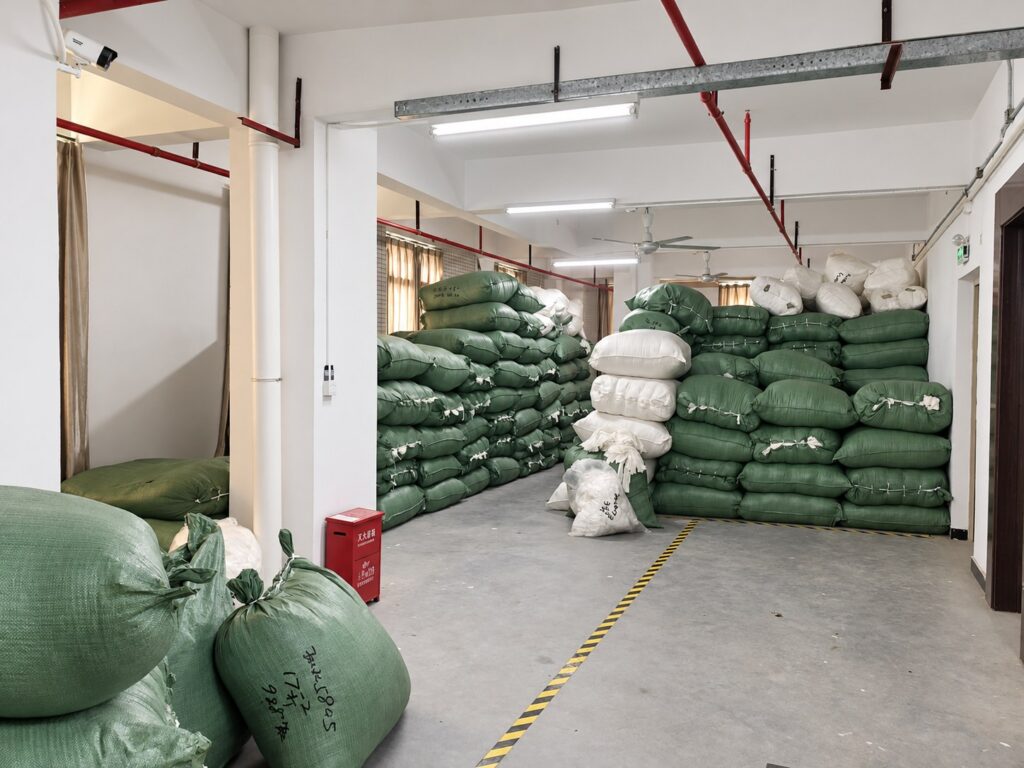
Our sourcing support
Wayhonk has its own yarn company and a well-stocked yarn warehouse. Cotton, polyester and nylon are among the regular fibre types we work with.
This support helps us review market references and specific blend requirements. The proposed match, stock availability and any yarn-specific conditions are confirmed for the actual project.
Yarn matching & development ↗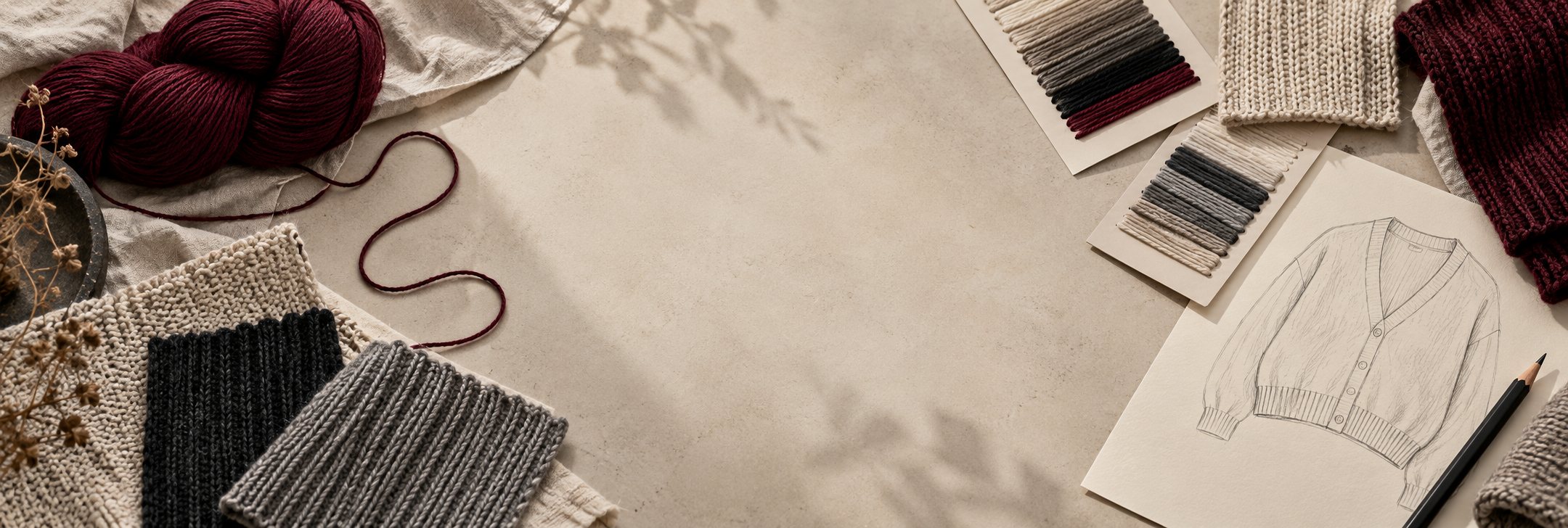
Materials / developed together
Discuss the feel, structure and composition together before the garment specification is confirmed.
Yarn matching & stitch development ↗Certification & audit documentation
GRS certification, amfori BSCI social-audit documentation and SHEIN buyer-qualification documents are available for project discussion. Review the material, production-site and order scope with Johnny.
Material scope and the documents relevant to the proposed order are reviewed before a certified-material claim is agreed.
Global Recycled Standard ↗Social-compliance documentation supports supplier review. BSCI is a social-audit system, not certification of an individual garment.
About amfori BSCI ↗Buyer-specific audit and qualification information can be discussed for the relevant project; it is separate from material certification.
Discuss buyer requirements ↗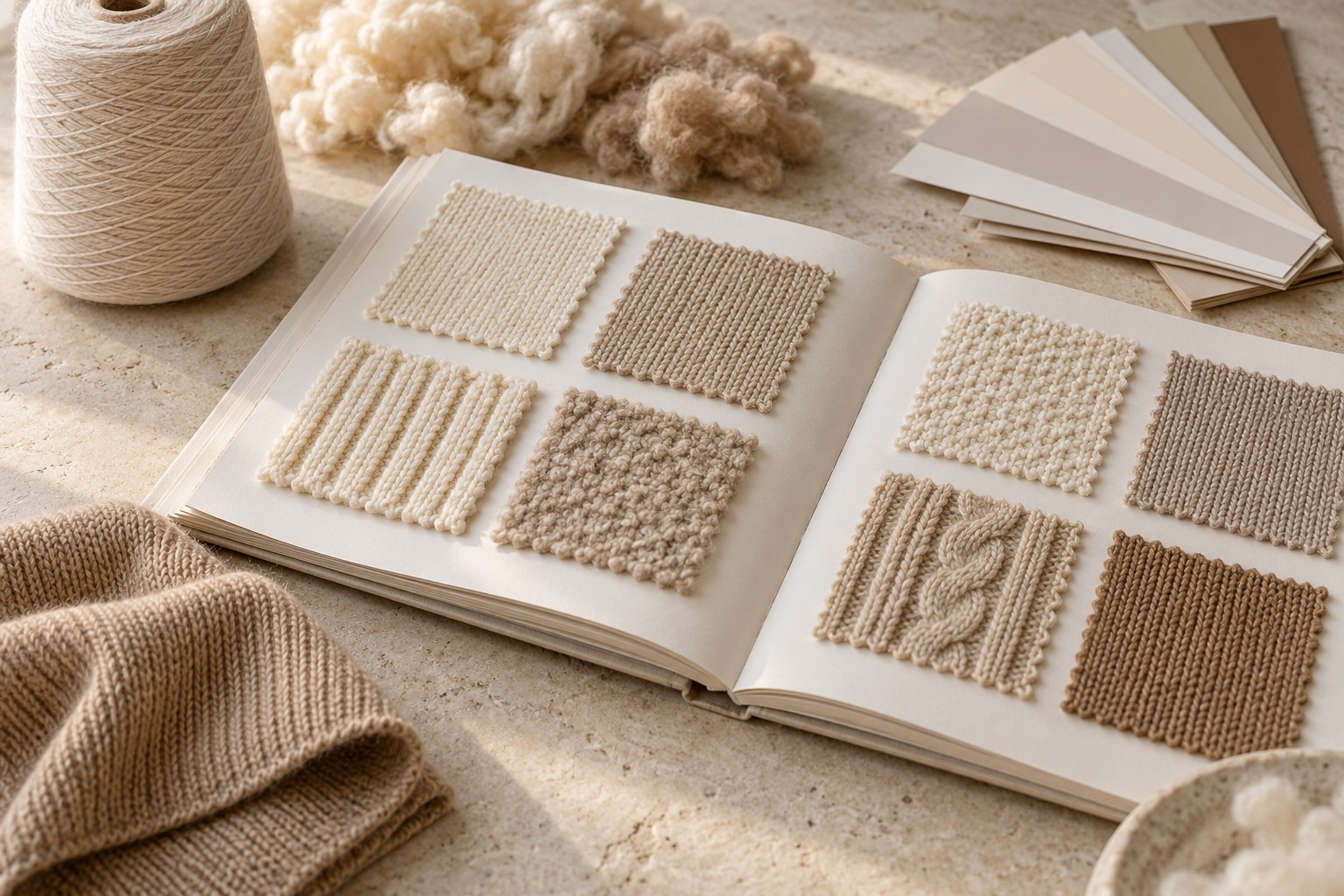
Review the material as well as the requirement.
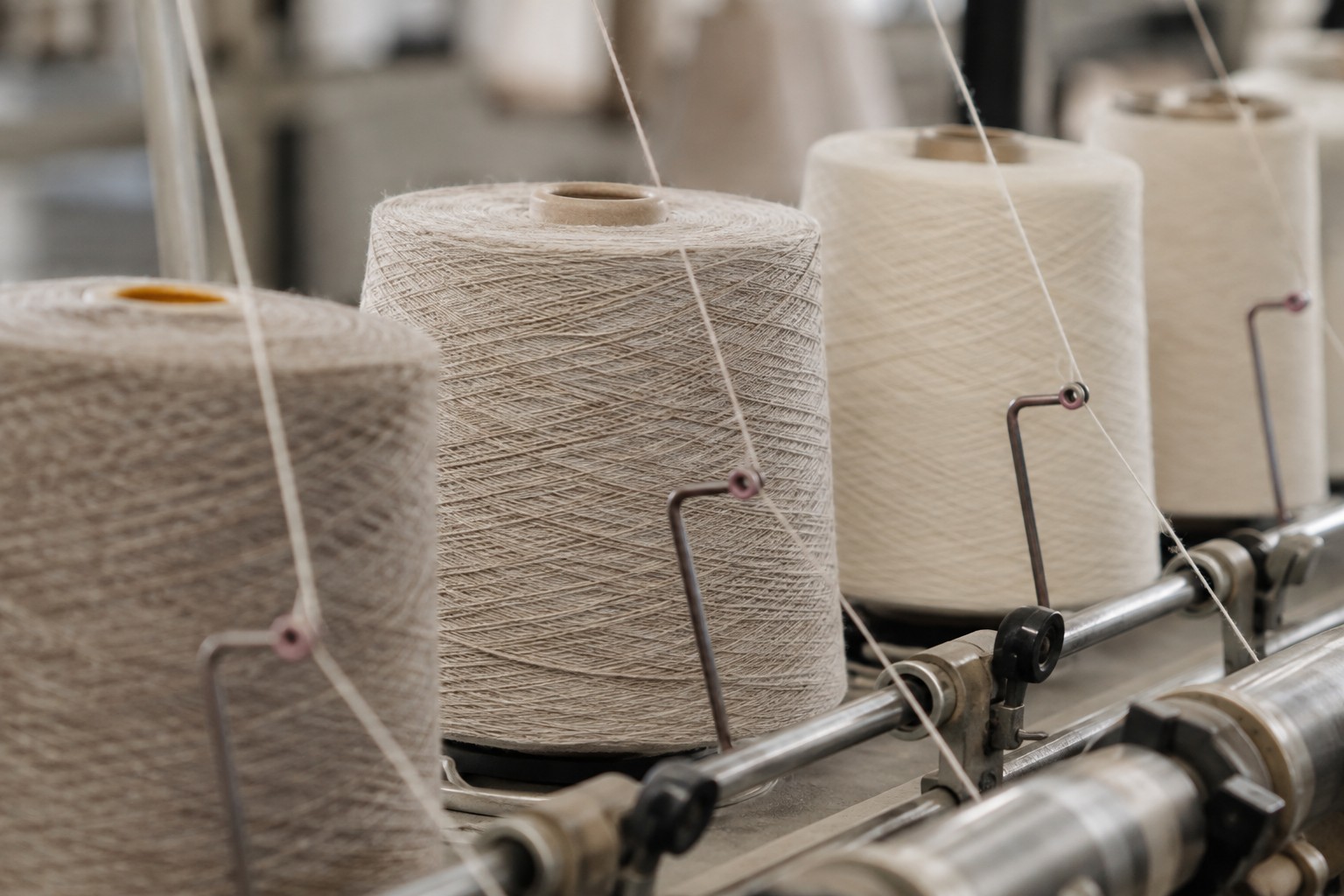
Discuss composition and supporting documents.
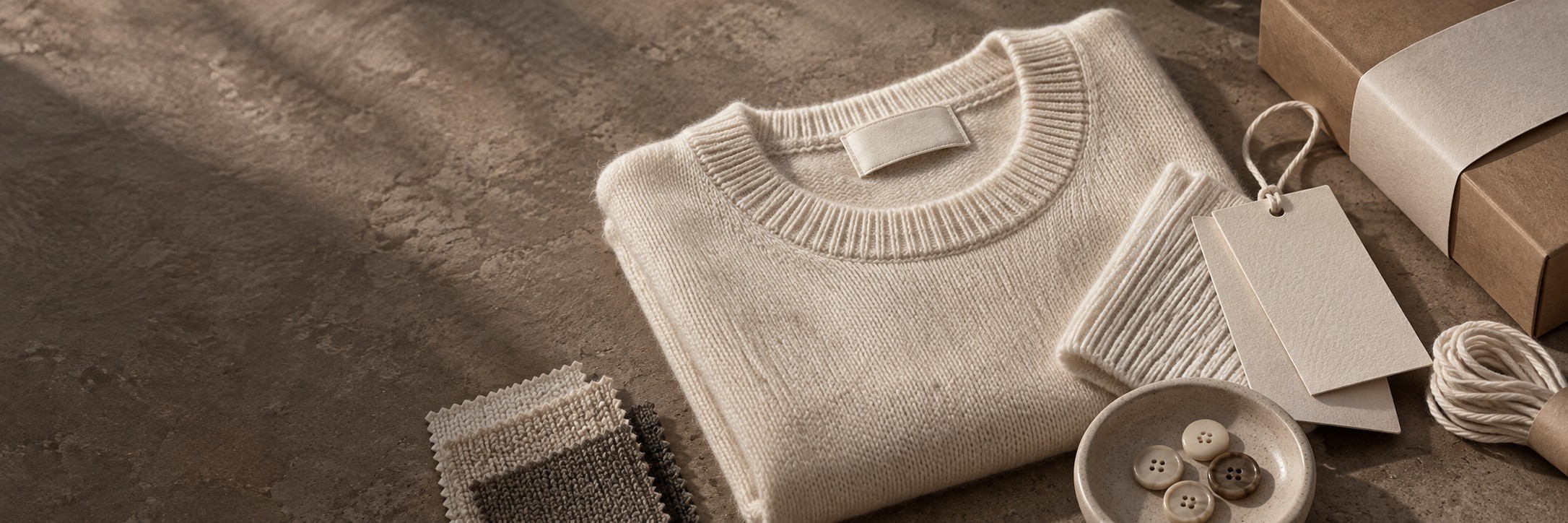
Align labels and packing with the agreed scope.
How we approach the brief
Specify the composition, material origin requirements and any supporting certification or testing needed before the yarn direction is confirmed.
Coordinate yarn choice, style, quantities and sample approvals so the purchasing and production brief are working from the same information.
Use the documentation that applies to the agreed material and production scope. Discuss labels and packaging requirements instead of assuming that one claim applies to the whole collection.
Send a reference, desired blend and the documentation your brand needs. We can start by reviewing the yarn direction with you.
Discuss your material requirements ↗Next step
Bring your design or reference and planned quantities. Typical garment MOQ is 300 pieces per style per colour, usually across around four sizes; project requirements are confirmed individually.
Discuss your knitwear project ↗Explore development ↗