
Confirm the garment presentation
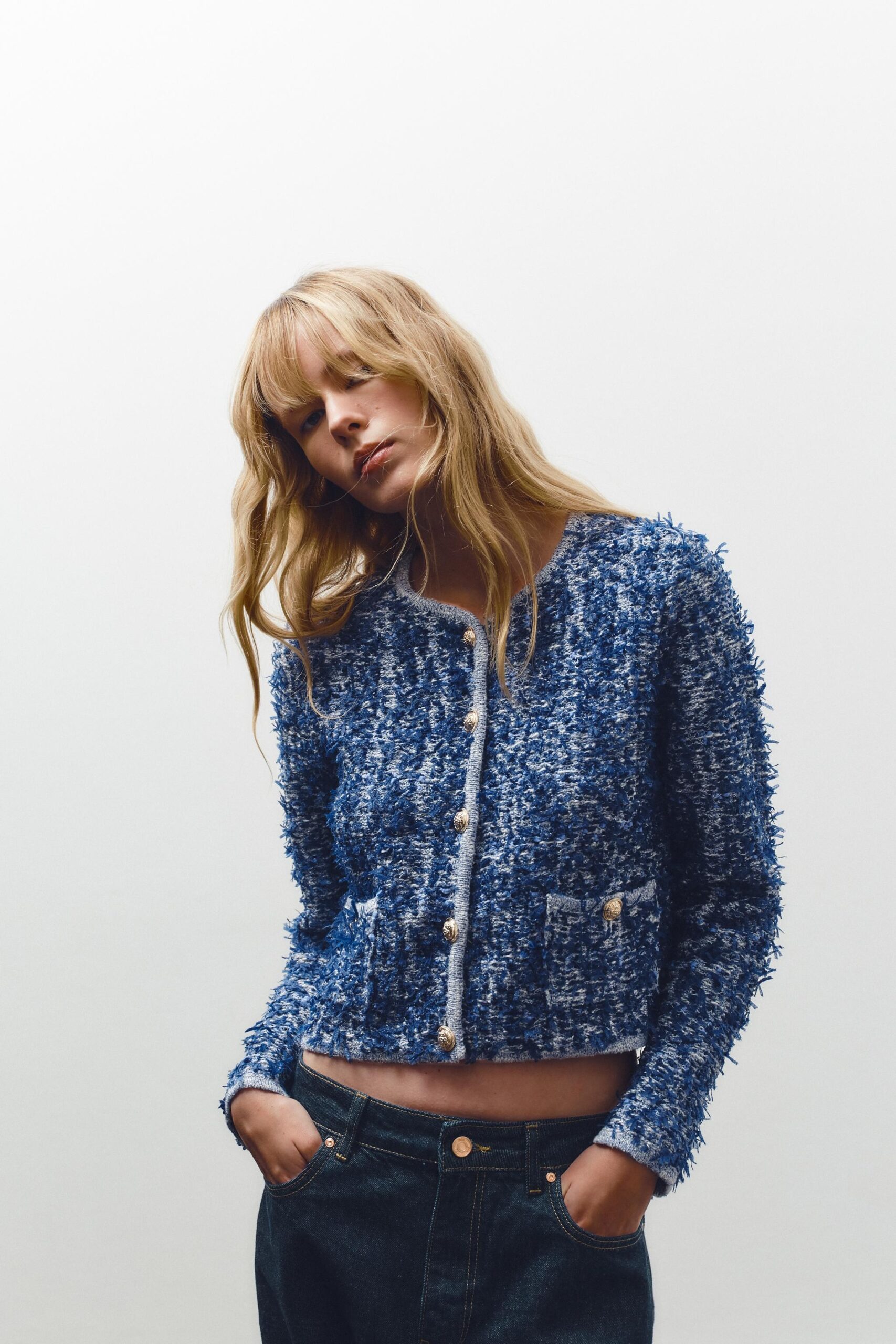
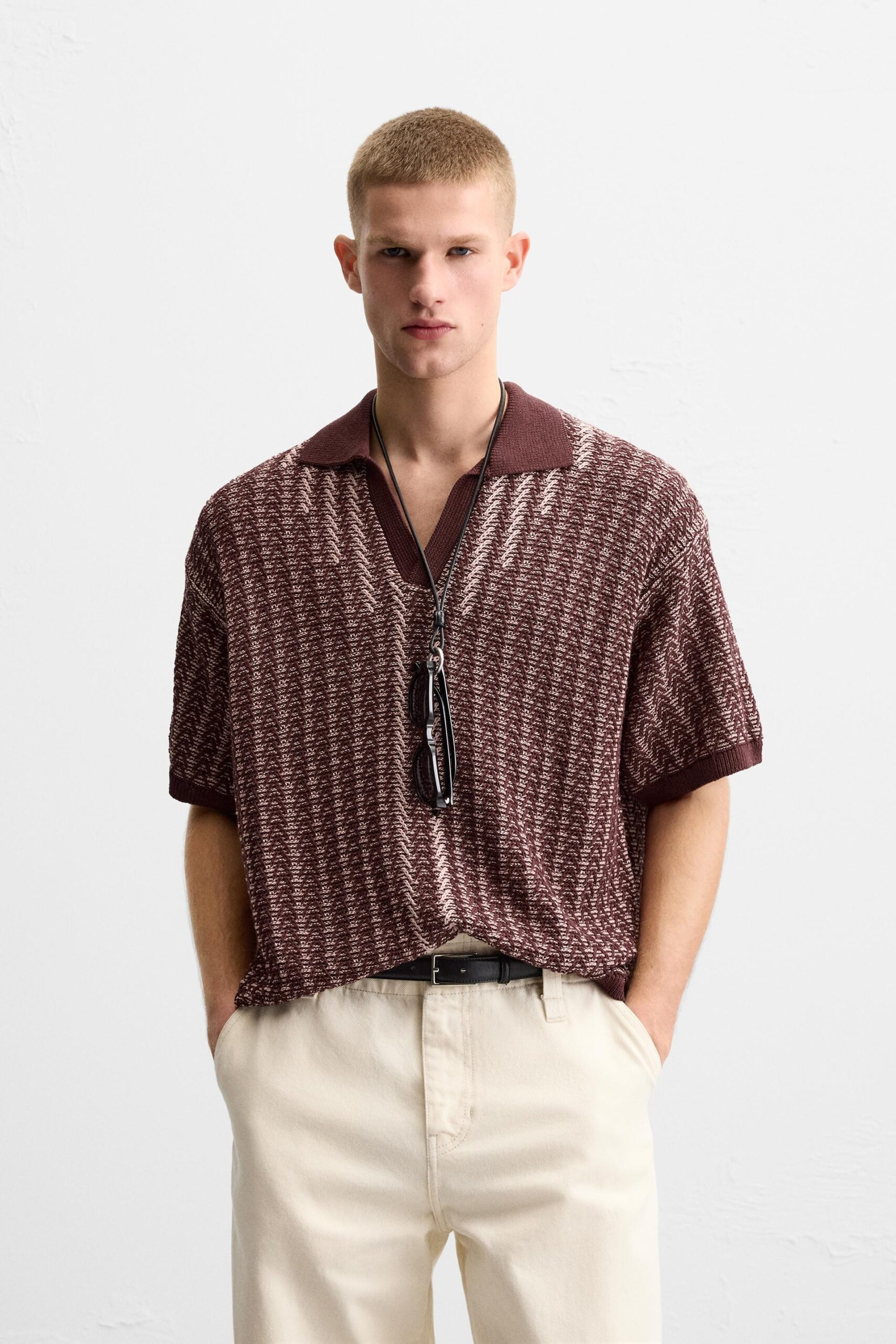
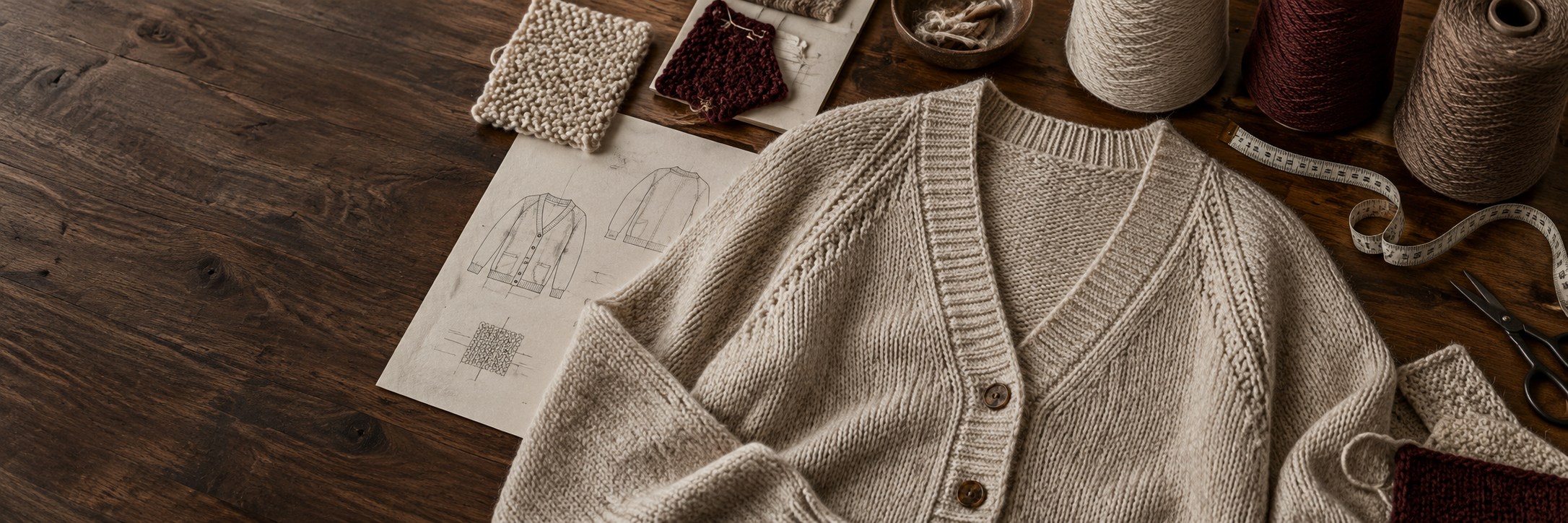
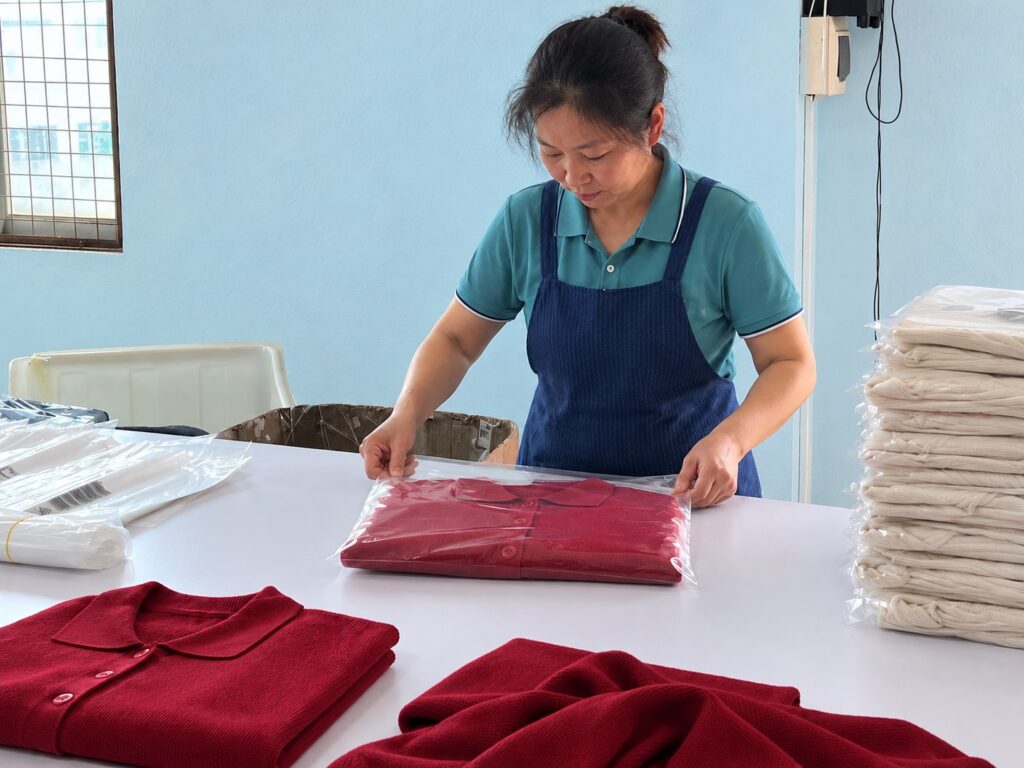
Describe the proposed fold, protective materials and presentation items where applicable. Identify whether a photograph is an inspiration, a proposed sample or an approved packing reference.
Review the actual garment with the proposed presentation. A box, band or tag that looks suitable on its own still needs to work with the product and the agreed packing method.
Make labels and identifiers readable
List the required style, colour, size and other identifiers. Confirm which appear on the garment, swing tag, individual pack and outer carton, as applicable to the order.
Check the approved information against the order sheet. Brand artwork, regulatory wording and customer-system identifiers should be confirmed by the responsible parties rather than copied from a generic mockup.

Define the assortment and counting method
State whether pieces are packed separately, as sets or in a particular assortment. Make the counting unit and the relationship between inner packs and outer cartons clear.
Reconcile quantities by style, colour and size before treating the packing brief as final. If instructions change, update the named current version instead of leaving competing spreadsheets in use.
Separate packing approval from shipping terms
Packing approval does not by itself confirm freight, delivery terms or destination arrival. Keep those arrangements in the appropriate commercial and shipping records.
Before dispatch, identify outstanding packing questions and the person responsible for resolving them. A short, agreed handover list is more useful than assuming every visual mockup has already been approved.
Before you send the brief
- Garment fold and presentation reference
- Approved label and pack identifiers
- Set composition, assortment and totals
- Packing approval separated from shipping terms
Bring the details. Let’s review the next step.
Share your garment reference and highlight the decisions you want to discuss.
Discuss Your Project ↗WhatsApp ↗Images are illustrative. AI-generated photographs, edited process scenes and explanatory visuals are not verified records of a particular factory, customer order, approved specification or test result. Confirm product details with the development team.